Episodes
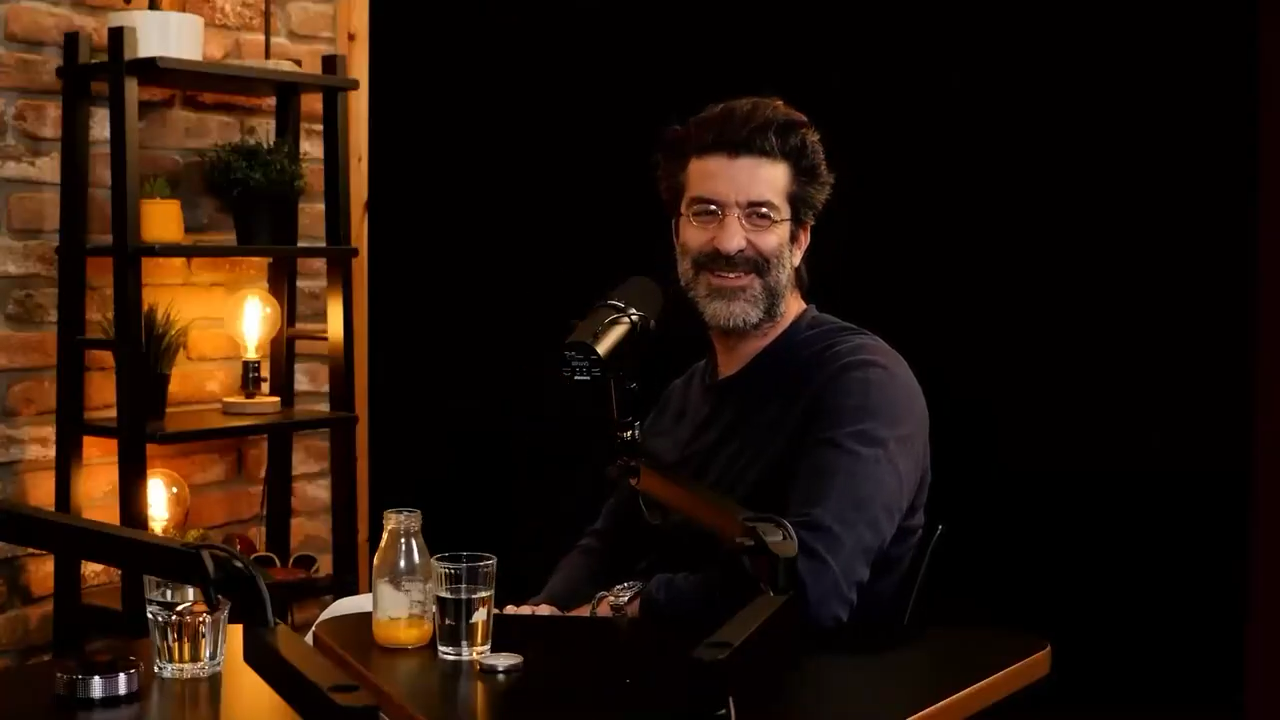


Ep 2: Tipalti CEO | Chen Amit
The Art of Being Boringly Successful
Why solve a sexy problem when you can solve a painful one? Chen Amit took the most tedious part of business—payments—and built an $8B giant. He talks about the investor who almost killed the company and why "slow growth" was his secret weapon.
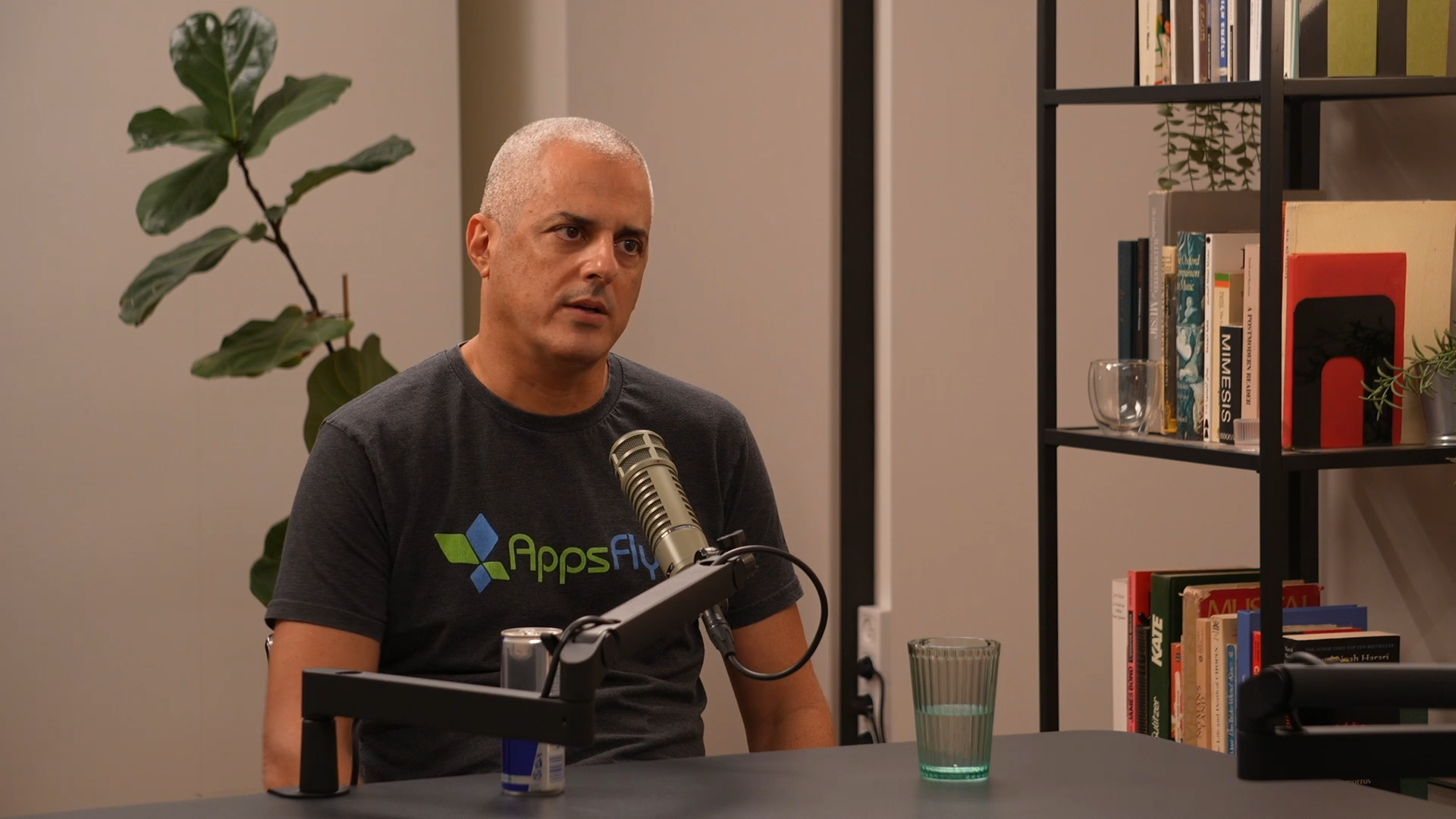
Ep 3: AppsFlyer CEO | Oren Kaniel
70% Market Share. Winning the Long Game.
How do you dominate the global market without selling your soul? Oren built the "Switzerland of mobile attribution" by saying no to quick money and yes to obsessing over customers. The bootstrapped mentality that never left, even at half a billion in revenue.
 Trending
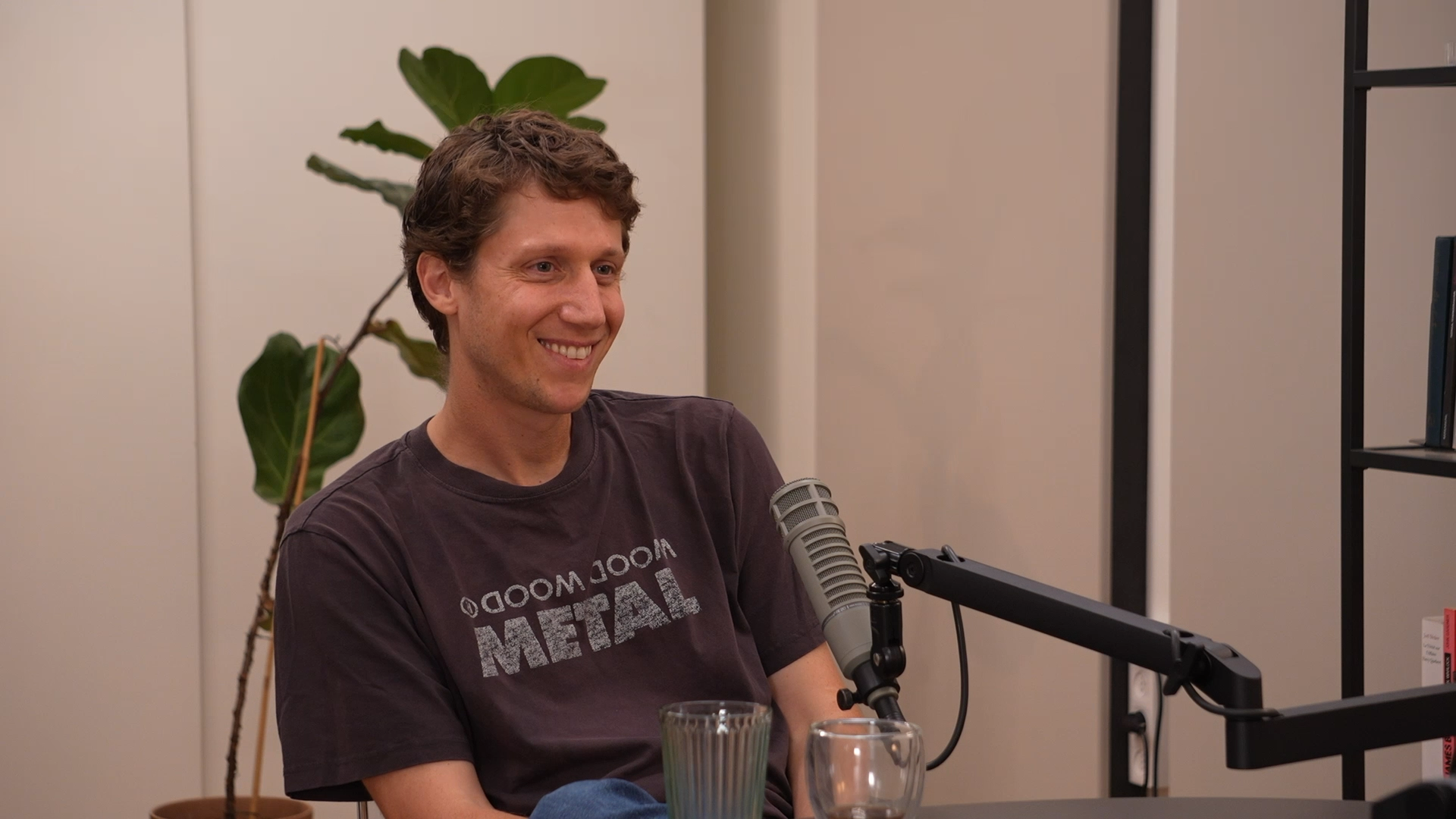
Ep 6: Riskified CEO | Eido Gal
The Dropout Who Guaranteed Success
No degree. 27 years old. Just the audacity to tell merchants: "If we approve a fraudulent deal, we pay you back." Eido shares how he turned a terrifying business model into a public company, and why the drop in stock price doesn't shake his belief in the long game.
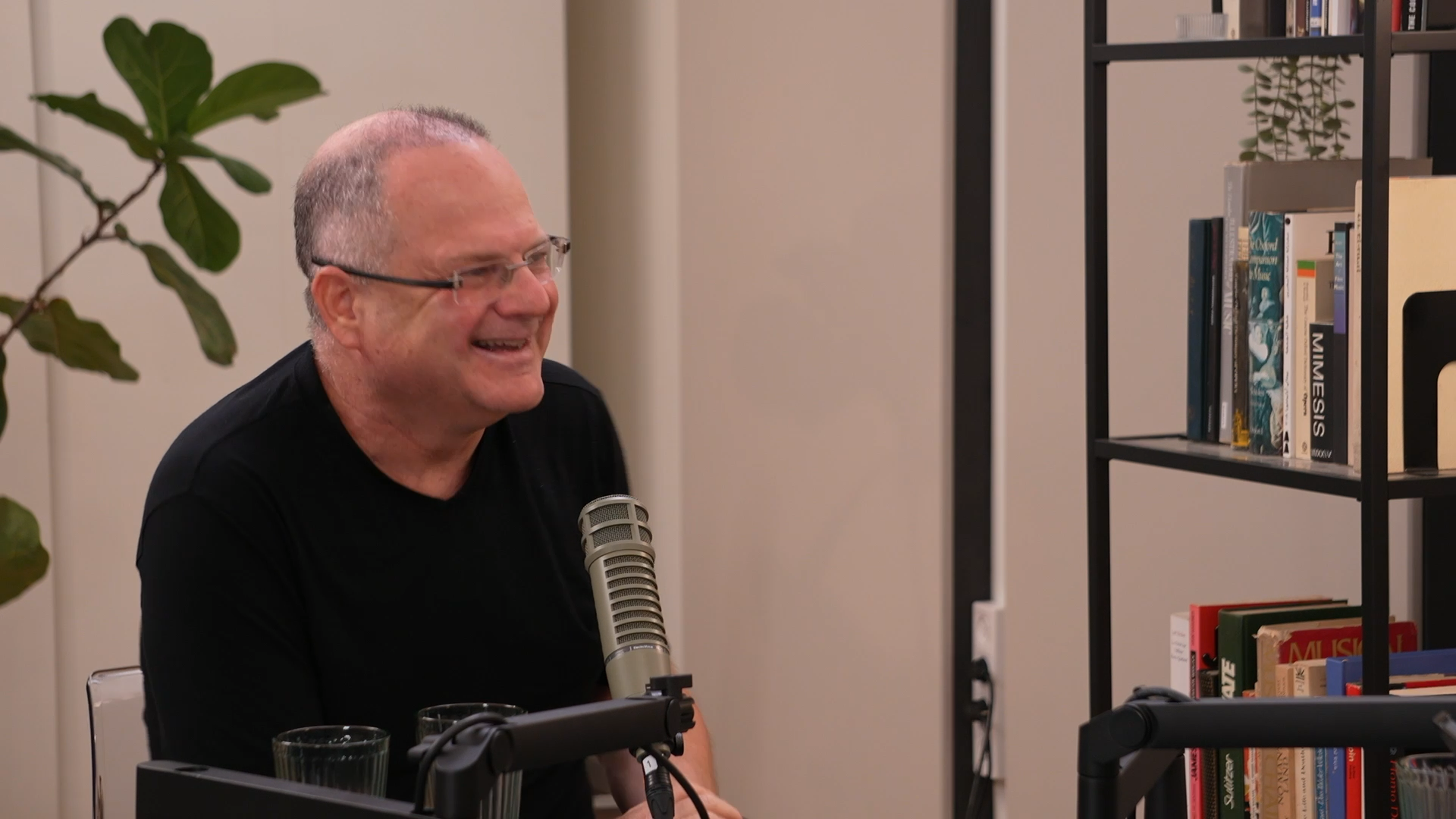
Ep 7: Check Point CEO | Gil Shwed
The Godfather of Cyber
He invented the Firewall at 24. He took the company public at 28. For 120 quarters, Gil Shwed has led Check Point through five generations of cyber warfare, becoming the longest-serving CEO in NASDAQ history. From a two-room apartment to a $20B empire, Gil reveals why he refused every acquisition offer, the "partner-first" model that conquered the world, and his philosophy on succession: "When your kid struggles, you don't leave."
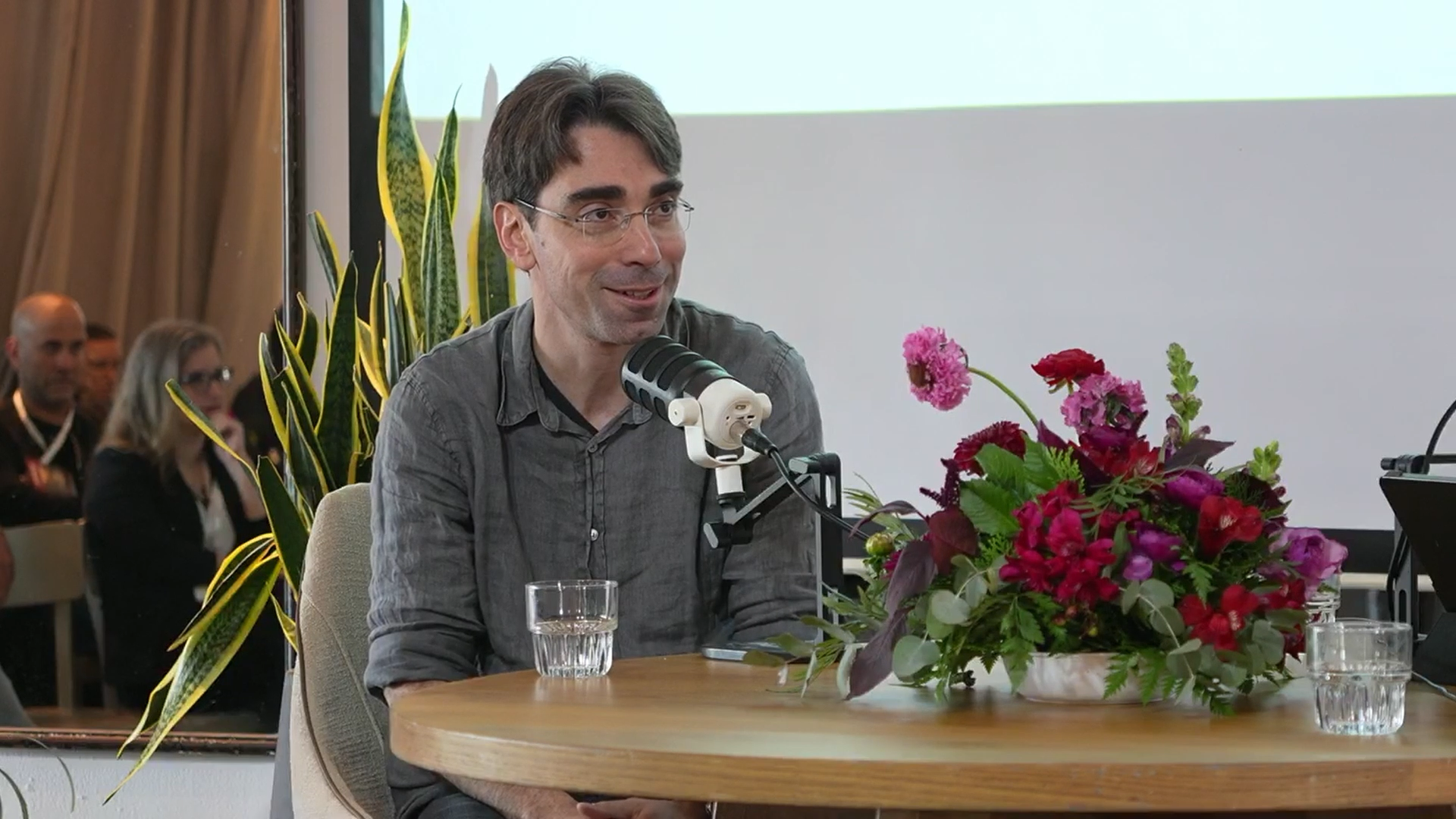
Ep 8: Tenzai CEO | Pavel Gurvich
The Bug That Wouldn't Let Him Quit
He sold Guardicore for 600M. He tried to retire. He failed. Pavel Gurvich returns with Tenzai and the largest Seed round in Israeli history, driven by a "bug" that wouldn't let him leave Cyber. Recorded live at the ScaleUp Nation CEO Summit, Pavel explains why he started with five founders, his "kill list" of must-have talent, and why building for a quick exit is the most dangerous strategy of all. "Napoleon prefers lucky generals. So do I."
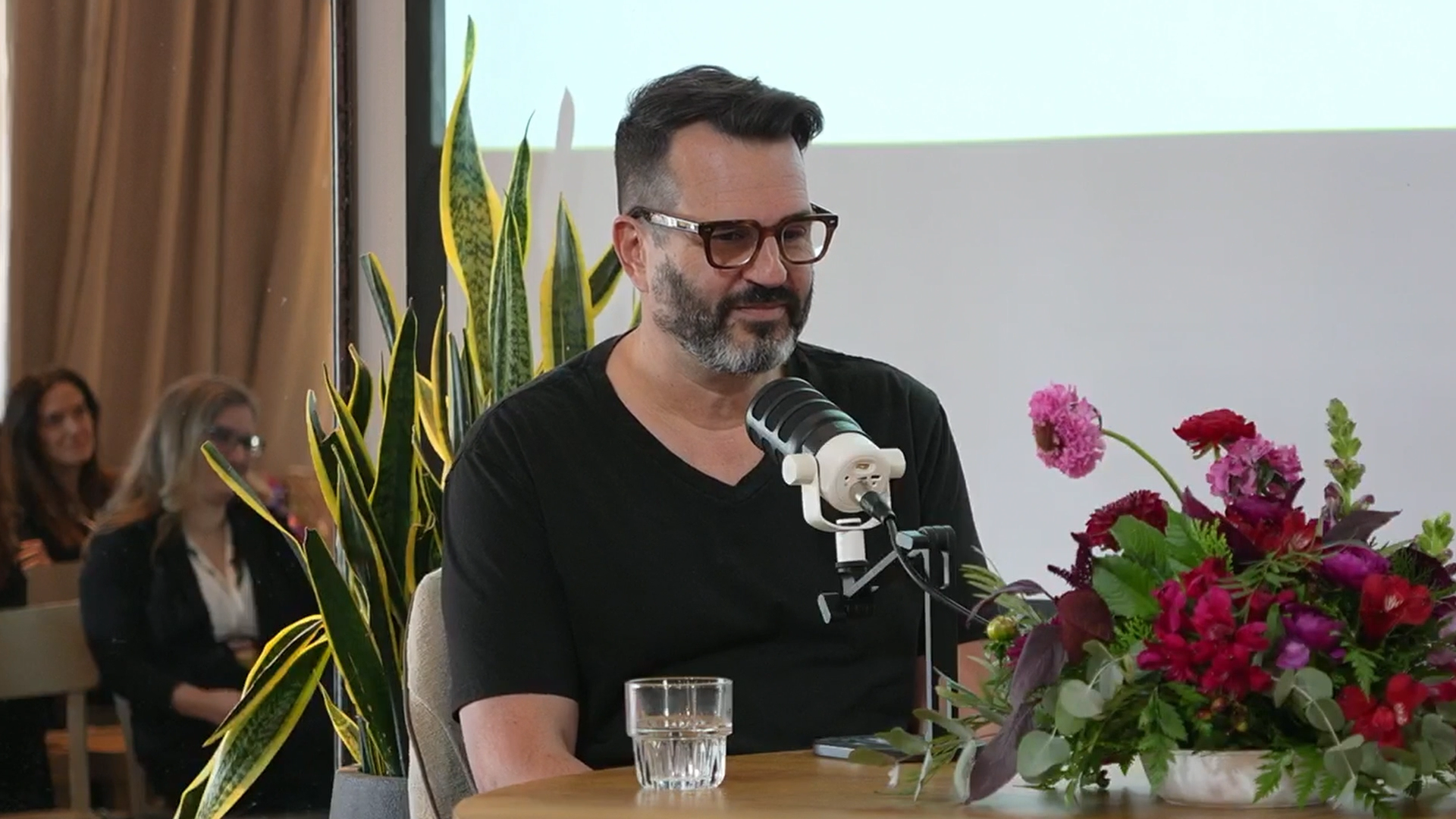
Ep 9: Lemonade President | Shai Wininger
The Autonomous Organization
He founded two NYSE-listed companies in a decade. Shai Wininger reveals how Lemonade is becoming a fully autonomous AI organization -- doubling revenue while shrinking headcount, replacing dev teams of eight with a single engineer, and why he has "no good news" for large enterprises trying to make the AI leap.
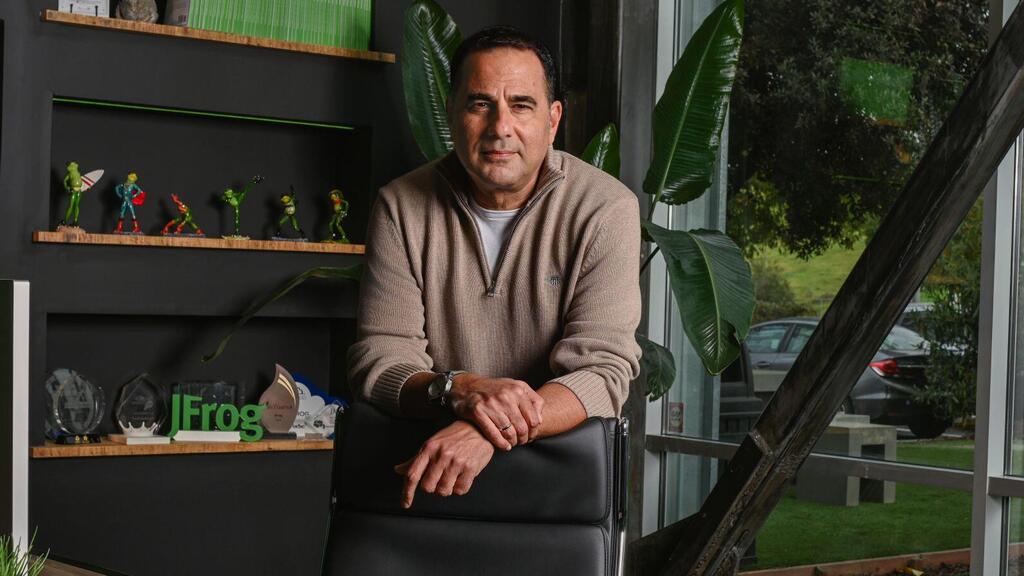
Ep 10: JFrog CEO | Shlomi Ben Haim
The Resilience Behind an $8B Empire
He never served in 8200 or wrote a line of code, yet Shlomi Ben Haim built JFrog into an $8B company used by 80% of the Fortune 100. He shares how more than 100 investor rejections led to the cave-man pitch that unlocked JFrog's first funding, why HR has held veto power since day one, and how the AI coding wave could propel JFrog toward becoming Israel's first $100B company.
 New
New
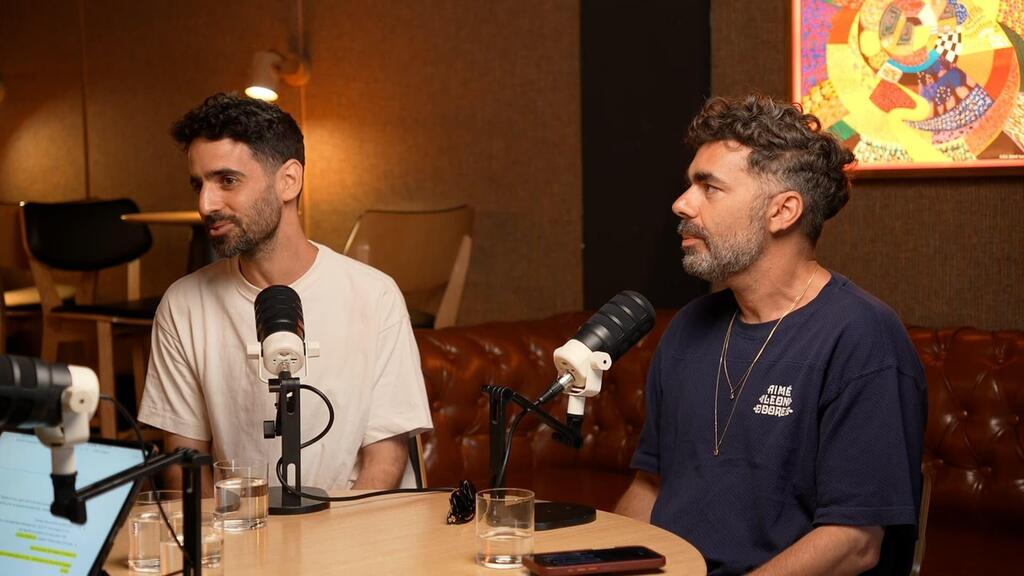
Ep 11: Artlist Co-CEOs | Itzik Elbaz & Ira Belsky
Two CEOs. One AI Reinvention.
From a kibbutz in northern Israel to a global creative-tech platform, Artlist co-CEOs Itzik Elbaz and Ira Belsky reveal how they transformed music and video licensing, competed with content giants, and led together for a decade. Now they are making their boldest pivot yet: erasing the organizational chart and rebuilding Artlist from the ground up as an AI-first company.